I was deaf once…
I saw people get up and begin to move in a strange way.
They called it dancing.
I thought it absurd until, one day, I heard music
Anthony de Mello
True
beauty cannot be separated from kindness. Inner beauty is exactly the kindness
that shines from within, the kindness, which can save our fragile world. To
quite Mark Twain, “Kindness is a language
which the deaf can hear and the blind can see”. Kindness has no borders,
nationality, age, religion. In different parts of the world you find beautiful
examples of true kindness.
A long
time back, almost a hundred years ago, in a family, which came from hot
Lebanon, during a blizzard, a boy was born. He was named Amos Alphonsus Muzyad Yakhoob. Amos’s parent had 9 children. Hence,
the little boy had to start work early. At 10 Amos was selling newspapers. At
11 he sold candy at a burlesque theatre. It was not just a job. It was every
kid’s dream. Probably, that is why he worked there for an entire 7 years. Inaddition,
Amoslovedtowatchpeople.
Can you
imagine how many colorful people he met at his work? One would have to start
dreaming about acting. The bright world of show business never let Amos go.
What do you need to win over show business? First, you need decent clothes and
shoes, which Amos earned with hard physical labor. And secondly, you need a
name, which sounds good and can be remembered easily. Without much thought,
Amos borrowed his brothers’ names. He has been called Danny Thomas since then.
Danny was lucky almost from the beginning. First he worked on the radio, on a
show called The Happy Hour Club.
Happiness is not alone. It never comes by itself. On the show he met the love
of his whole life, Rose Marie Cassanti. She thought for three years before
agreeing to marry him. Wedding, the birth of their first child…
It would
seem the entire world belongs to you. And then the fate makes a sudden turn.
Danny Thomas loses his job on the radio. What do we do in a difficult
situation? We ask for help from the heavens so they would show us the way. When
Danny Thomas had only 7 dollars left in his pocket, he prayed to St Jude
Thaddeus, the patron saint of hopeless causes, and swore that if he ever found
his way in life, he would open a shrine dedicated to the St Jude. It was not
just a prayer. It was his soul calling to the saint, who had taught that faith
is not enough, one also needs to perform kind deeds. You would not believe it,
but a few days later he was invited to a popular night club. A year later he
was making 500 dollars per week. But it was only the first step on his way to
the top. A little while later he has a lead role in the ABC TV show Make Room for Daddy.
This show
is considered one of the most successful in the history of the American TV. Why
such success? Maybe, it was because it was sincere. Many episodes are based on
true events from Thomas’s life. And finally, the actor and producer Danny
Thomas reaches the top in Hollywood.
At the
peak of his fortune, he decided to fulfill his promise. Danny sought advice of
his friend, the Roman Catholic Archbishop of Chicago, who advised him to open a
charity hospital for all hopelessly ill children, regardless of their religion,
age, or ability to pay. Thomas began to raise money for the hospital. He
organized various charitable concerts, to which he invited, at various points
in time, Elvis Presley, Frank Sinatra,
Robert Sherwood, Jane Russell, Bob Hope, and Jerry Lewis...
The
hospital opened in 1960, and began to function to full capacity in 1962.
Gradually, a small hospital for poor children turned into a large charitable
scientific center, presently, one of the largest in the USA. In the last 50
years, it has treated over 16 000 children from about 60 countries. No
patient has paid for treatment there. Furthermore, the hospital pays for hotel
rooms for adults, who accompany the sick children. The center will send a
helicopter or another means of transportation for any child.
Danny
Thomas lived a long and happy life. He worked at his center until his last
days. One day Thomas said “I think the show business was just a means for me to
fulfill my main purpose in life – to open the St Jude Hospital. The creation of
the Hospital is the principal event in my life. Thousands of children, which
had to die, are alive today only because this hospital exists.”
Do you
think a story like this could happen anywhere but in today’s Russia? Think
again…
One
beautiful spring day in Smolensk a girl was born, she was named Diana. She grew
up, enjoyed painting, played funny scenes with her cousin and organized home
concerts. While distributing roles among other little actors, she took the ones
no one else wanted, and did not view herself as an actress. She graduated an
arts high school, decided she wants to be an arts teacher, and began to study
arts and graphics at a university. Diana studied there for a year, got bored,
and, suddenly for everyone, switched to acting. Then there was school-studio
MHAT, first stage appearances, film roles, and the world learned about the
magnificent actress Dina Korzun.
A couple
of years later, another beautiful fall day in Kazan, another girl was born, and
was named Chulpan. She grew up in a family of engineers, skated, enjoyed
reading, and attended a math high school. Chulpan was planning on studying
“precise” sciences, like her parents, and began to study finance and economics.
A few months later she suddenly quit and switched to the school of acting, and
then, GITIS. In her third year Chulpan began to play in films, and we learned
another wonderful actress, Chulpan Khamatova.
The two
young women became friends while making the film The Country of the Deaf (1998).
They had
much in common. Most importantly, their hearts could hear the suffering of
others. When Dina was 12, she was in a hospital together with a group of noisy
children from a local orphanage and saw how much hassle they were to the
personnel. She was mainly struck, however, by the children’s pain, and for a
short while she became a “mom” to a three-year-old boy, who followed her
everywhere, holding on to her dress. Two week later she left the hospital, but
could never again forget the little kids. One time, already a famous actress,
Dina went to Nepal, to work at a local orphanage. Upon return, she shared the
details of the trip with her friend, and heard a story about children, who
needed a blood detox machine. The sad Chulpan Khamatova said that she had been
invited to host a charity concert, but failed to raise the necessary amount for
the hematological center.
What
happened later was a live illustration of Korzun’s motto, “put one foot in
front of the other”. It was precisely this conversation of the two friends,
which became the beginning of a huge undertaking, due to which thousands of
hopelessly sick children got a chance to live. The two women managed to
organize two charity concerts with a large number of stars, and a little later,
a charity Fund, which already helps a huge number of kids. When asked about her
most successful project, the actress Chulpan Khamatova responds, “Shall I list every recovered child by name?”
A Candle
loses nothing by lighting another candle… To perform a miracle, one needs
not be a wizard. It is enough to have a responsive heart and a strong will. A
large merit of the characters of our stories is the fact, that they gave all
people a chance to be truly beautiful and to save our common small world. Stop,
listen… And you will hear the music of your heart.
Окончила
Московский архитектурный институт (была автором ряда архитектурных проектов),
в1948-1953обучалась вМосковской консерватории вклассе вокала Л.Ф.Савранского.
В
1954-1956была солисткой Свердловского театра оперы
ибалета, ав1956-1988- солисткой московского Большого театра, где дебютировала
впартии Кармен водноименной опере Ж.Бизе (эта партия стала одной из
лучших веерепертуаре). Славу принесли ейтакже партии Амнерис (Аида), Эболи (Дон
Карлос), Азучены (Трубадур) воперах Верди, Любаши (Царская невеста
Римского-Корсакова), Элен Безуховой (Война имир Прокофьева), Марины Мнишек (Борис Годунов) иМарфы (Хованщина) воперах Мусоргского) идр. В
течение ряда последующих лет была главным вокальным консультантом Большого
театра.
В 1955началась еегастрольная деятельность зарубежом, в 1975Архипова дебютировала втеатре «Ковент-Гарден» (Лондон) в партии Азучены.
Выступала икак концертная певица (вкамерном репертуаре свыше 800произведений), в1990-х годах организовала и исполнила цикл концертов
«Антология русского романса».
С1960-х годов выступает состатьями вжурналах («Советская музыка», «Музыкальная жизнь» идр.). С1976преподает вМосковской консерватории (в1982получила звание профессора).
Проводит
мастер-классы вФинляндии,
США, Польше идр. В поддержку молодых талантов организовала фестивали
и конкурсы «Ирина Архипова представляет…».
В 1986стала председателем центрального
правления Всесоюзного музыкального общества, с1991— президентом созданного наоснове общества Международного союза музыкальных
деятелей. Президент фонда «Ирина Архипова», вице-президент и академик
Международной академии творчества (Москва).
В 1966певице присвоено звание народной артистки
СССР, в1984 — Героя социалистического труда.
Среди других еезваний -
народная артистка Киргизской ССР, народная артистка Республики Башкортостан, MaestroDell’Arts (Республика Молдова). Архипова - лауреат Ленинской
премии (1978), премии имедали имени С.В.Рахманинова; имеет ряд
правительственных наград (три ордена Ленина, орден Трудового Красного Знамени,
Золотая звезда Героя Социалистического Труда). Имя «Архипова» в1995получила малая планета №4424.В 1996Архиповой был присужден Всемирный приз искусств
(учрежденный корпорацией «Маришен арт менеджмент интернешнл»)— «Бриллиантовая лира» ититул «Богиня искусств».
She originally studied architecture but
switched to voice and studied with Malisheva, graduating in 1953. That same
year she won an international singing competition in Warsaw. She began
studies with Savransky at the Moscow Conservatory and from 1954 to 1956 sang
with the Sverdlovsk Opera where her roles
included Marina in Boris Godunov, Eboli in Don Carlos, Charlotte in Werther
and Marfa in Khovanshchina. Her first appearance at the Bolshoi Theater was
as Carmen in 1956 which became one of her most famous roles. The Bolshoi
became her operatic home and she sang all of greatest roles there. At the
Bolshoi she was especially noted for roles in Queen of Spades, War and Peace,
Tsar's Bride and Mazeppa as well as her earlier roles in Boris Godunov, Don
Carlos and Khovanshchina. After 1960, she began to appear outside Russia and
first won fame as Carmen in Naples. She sang Helene in Prokofiev's War and
Peace at Teatro alla Scala in 1964 where in later seasons she sang Marina in
Boris Godunov and Marfa in Khovanshchina.
Her first American appearance was is
a recital in Ann Arbor, Michigan, with John Wustman as accompanist. Her
sensational performance of Azucena at the Orange Festival in 1972 brought her
even more international acclaim. Her San Francisco Opera debut came in 1972
as Amneris. In 1975, she made her debut at the Royal Opera House, Covent
Garden in London, as Azucena and in 1988 she returned to London as Ulrica in
Un Ballo in Maschera. Although she sang at the Metropolitan Opera House with
the Bolshoi Theater several times, she did not sing with the Metropolitan
Opera until 1997 when she sang Filippievna in Eugene Onegin at the age of
seventy-two. She also appeared at the opera houses in Berlin, Paris, Hamburg,
Lyon, Marseille, Belgrade and the Savonlinna Festival. She has directed
several opera productions as she moved into semi-retirement. She is married
to heldentenor Vladislav Piavko. In 1993, a voice competition was set up in her
name.
Arkhipova's voice was a full, rich
mezzo-soprano with great power and intensity. She did not lose quality as she
moved between vocal registers and she understood what her vocal strengths
were and did not try to move beyond her best repertoire. Her voice had some
of the edge that was often found in Slavic voices but this helped give her
voice an individuality which is sorely lacking in many singers today.
Her recorded legacy is vast but much
of it has only been available in Russia. While her Marina in Boris Godounov
was reissued by Melodiya, her Eboli in Don Carlos, Joan in the Maid of
Orleans by Tchaikovsky and Laura in Dargomizhsky's The Stone Guest are still
unavailable. Almost none of her wonderful song recitals are currently available.
In particular, the songs of Tchaikovsky, Rachmaninov, and Mussorgsky bring
out the best in her interpretive art. The LP disc with settings of poetry by
Pushkin is very good and the reissue of some of her opera arias would be most
welcome. ~ Richard LeSueur, All Music Guide.
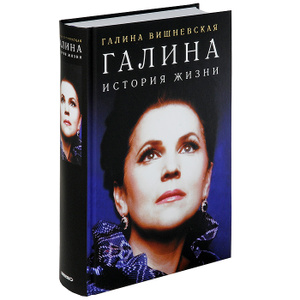
Родилась вЛенинграде (ныне Санкт-Петербург) 25октября 1926, вдетстве жила вКронштадте.
С 1944работала вЛенинградском областном театре оперетты, затем стала
солисткой Ленинградской филармонии, выступала как эстрадная певица.
В 1951-1952брала уроки пения уВ.Н.Гариной, в1952стала солисткой Большого театра (Москва), где спела ок.
30партий (Татьяна вЕвгении Онегине
П.И.Чайковского, Купава в Снегурочке Н.А.Римского-Корсакова, Аида водноименной опере Дж.Верди, Тоска водноименной опере Дж.Пуччини, Катерина в Катерине
Измайловой Д.Д.Шостаковича, в1966снялась в одноименном фильме-опере идр.).
Выступала икак камерная певица, втом числе вансамбле сМ.Л.Ростроповичем, закоторого вышла замуж в1955.
Была первой
исполнительницей вРоссии
ряда сочинений Б.Бриттена.
В 1962дебютировала втеатре «Ковент-Гарден» (Лондон) вроли Аиды.
В 1974уехала изСССР, проживала вСША, затем воФранции, выступала вкрупнейших театрах мира до1982.
В 1978Указом Президиума Верховного Совета СССР
Вишневская иРостропович были лишены гражданства,
почетных званий (в1966Вишневской было присвоено звание народной
артистки СССР) инаград.
Через
12лет, в1990указ был отменен, Вишневская вернулась вРоссию, стала почетным профессором
Московской консерватории.
Свою
жизнь певица описала вкниге Галина (издана наанглийском языке в1984, русский вариант 1991).
Вишневская— кавалер французского ордена Почетного
легиона (1983), атакже
почетный доктор ряда университетов. Умерла 11 декабря 2012 в Москве.
Vishnevskaya was born in Leningrad. She made her
professional stage debut in 1944 singing operetta. After a year
studying with Vera Nikolayeva, she won a competition held by the Bolshoi Theatre in Moscow (with Rachmaninoff's
song "O, Do Not Grieve" and Giuseppe Verdi's aria "O patria mia" from Aida) in 1952. The next year, she became a member of
the Bolshoi Theatre.
In 1974, they left the Soviet Union and
eventually settled in the United States and Paris. In 1982, the soprano bade farewell to the opera stage, in
Paris, as Tatyana in Tchaikovsky's Eugene
Onegin. In 1987, she stage directed Rimsky-Korsakov's The Tsar’s
Bride in Washington, D.C. In 1984, Vishnevskaya published a memoir, Galina: A
Russian Story (ISBN 0-15-134250-4),
and in 2002, she opened her own opera theatre in Moscow, the "Galina
Vishnevskaya Opera Centre".
In 2006, she was featured in Alexander Sokurov's documentary Elegy of a life: Rostropovich, Vishnevskaya.
In 2007, she starred in his film Aleksandra,
playing the role of a grandmother coming to see her grandson in the Second Chechen War.
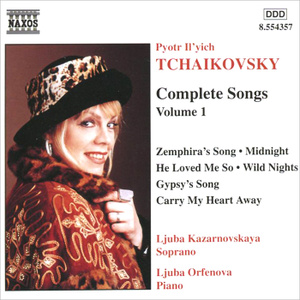
The Russian soprano Ljuba Kazarnovskaya received her musical
education in Italian bel canto vocal training at the Moscow Conservatory and,
for a period of thirteen years, in the art and interpretation of Russian song
with Nadjezhda Malysheva, a piano pupil of Konstantin Igumnov, who had
studied piano with Anton Rubinstein and composition with Tchaikovsky.
With a distinguished reputation already in Russia, the soprano
Ljuba Kazarnovskaya made her international début at the Salzburg Festival, on
the invitation of Herbert von Karajan, in a performance of Verdi’s Requiem
under Riccardo Muti. Since then her career has taken her to leading opera
houses throughout the world, including Covent Garden, the New York
Metropolitan Opera, Hamburg, Vienna, Chicago and Houston.
She made her début at La Scala, Milan, in 1996 in Prokofiev’s The
Gambler and in 1997 in
Rome with Richard Strauss’s Salome. She has appeared with other
singers of the greatest distinction under the world’s leading conductors, in
a repertoire that includes forty leading rôles in Russian, Italian and German
operas.
Ljuba Kazarnovskaya is also distinguished as a recitalist and
has a particular love for Lieder. Her interpretation of Tchaikovsky’s songs
brought her the Golden Critic’s Award. Her recordings include releases by
major record companies both in Russia and abroad. In 2002 IBC of Cambridge in
England included her among the outstanding musicians of the twentieth century,
and in 2006 she was honoured by the American Biographical Center for her
outstanding contribution in the field of classical music in the world.
For Naxos, she has embarked on the recording all 103 songs by
Tchaikovsky in a five-CD set. The first volumes of the series have received
generous critical acclaim. Her recent projects include new recordings of Eugene
Onegin (Tatyana) and The Queen of Spades (Liza and the Countess),
three films, recital tours throughout Europe, in Asian countries and Russia,
and opera productions of Salome, Tosca and Eugene Onegin.
She has her own music show on Russian television.
Родилась 20июля 1768всемье крепостного кузнеца Горбунова, получившего современем фамилию Ковалев,
и в неполные 8 лет была взята к графскому двору отца
Н.П.Шереметева.
В 1779на сцене крепостного театра вКускове дебютировала вроли служанки Губерт вкомической опере А.Э.М.Гретри Испытание
дружбы.
После
удачного дебюта Шереметев в1780поручил Ковалевой главную роль Белинды вопере А.Саккини Колония, или Новое
поселение.
В этом
спектакле актриса впервые появилась под фамилией Жемчугова, поскольку
Шереметев решил заменить «мужицкие» фамилии своих актрис новыми, поназваниям драгоценных камней.
После роли Белинды
Ковалева-Жемчугова была переведена на положение первой актрисы театра.
Среди
ееролей— Луиза (Беглый солдат Седена), Лоретта (Лоретта
Демеро-Де-Малзевилля), Розетта (Добрая девка Пиччини), Анюта (Тщетная
предосторожность, или Перевозчик Кусковский Колычева), Инфанта (Инфанта
Заморы Паизиелло), Анюта (Три откупщика Дезида-Монвеля) идр.
К17годам Ковалева-Жемчугова свободно читала иписала по-французски и итальянски, играла
наарфе иклавесине, стала настоящей оперной певицей, обладавшей,
посвидетельству современников, яркими
драматическими способностями.
Вершиной стала роль Элианы вопере Гретри Самнитские браки.
Выступив вэтой роли впервые в 1785, Жемчугова
играла еевтечение 12лет— небывалый случай в истории крепостного театра.
Значительной
считается роль Алины (Царица Голкондская Седена, 1786):
присутствовавшая в Кускове наспектакле императрица Екатерина пожаловала Жемчуговой
бриллиантовый перстень.
В конце
1880-х годов крепостных актеров стали учить артисты труппы Медокса (женской
частью труппы Шереметева руководила М.С.Синявская), вэто жевремя Жемчугова становится женой Шереметева.
В 1795театр был переведен изКусково вОстанкино, где построены театральные помещения,
оснащенные попоследнему
слову техники имоды. 1795 ознаменован премьерой оперы Взятие Измаила
(П.Потемкин — И.Козловский; Жемчугова выступила в роли плененной
турчанки Зельмиры). Сэтого момента Останкино становится одним
изцентров художественной жизни Москвы,
репертуар театра пополняется русскими комическими операми.
В
период наивысшего расцвета театра уЖемчуговой открылась чахотка. Спектакли временно
прекратились, нов1797, послучаю приезда Павла I, были показаны Самнитские браки.
В 1798 Шереметев дал вольную Жемчуговой и всей семье
Ковалевых. Понимая, что здоровье не позволит Жемчуговой вернуться
на сцену, граф закрыл театр.
В
1801Шереметев встрожайшей тайне венчался сЖемчуговой.
В
память опокойной вМоскве наСухаревой площади было сооружено здание
«странноприимного дома», который должен был «дать бесприютным ночлег,
голодным обед иста
бедным невестам приданое» (ныне здесь находится НИИ скорой помощи им. Н.Склифосовского).
Praskovia was one of the best opera singers
in eighteenth-century Russia. She was born into the family of a serf smith by the name of Ivan Gorbunov (a.k.a. Kovalyov) probably on
the estate of Voshchazhnikovo in the province of Yaroslav. Praskovia and her
family belonged to the Sheremetevs, one of the richest noble families in
Russia at the time. As a young girl she moved with her family to the estate
of Kuskovo outside Moscow. Soon
thereafter she was taken from her family to serve as a chambermaid to
Princess Martha Dolgorukaya, a relative of her master, Count Pyotr
Sheremetev, who lived in the manor house.
Blessed with a fine voice, Praskovia was
trained to be a singer in the opera company then being put together by Count
Pyotr and his son, Nikolai Sheremetev. She debuted in 1779 on the stage of the serf theatre at Kuskovo in the role of
the servant Gubert in the comic opera L'Amitié à l'épreuve by André Ernest Modeste
Grétry. Following her success, Praskovia was
given the leading role of Belinda in Sacchini's opera La colonie. In this 1780 performance the actress for
the first time appeared under the stage name Zhemchugova, "The
Pearl," (zhemchug means "pearl" in Russian). The other
stars of the company were also given new names: Arina "The
Sapphire," Fekla "The Turquoise," Tatyana "The
Garnet," Nikolai "The Marble," Andrei "The Flint,"
etc.
After the role of Belinda, Praskovia was
promoted to the position of the first actress of the theatre. By the age of
17, she could read and write French and Italian fluently, played the harp and clavichord, and was acknowledged
by her contemporaries for her operatic and dramatic abilities.
In a career that spanned almost two
decades, Praskovia performed in over a dozen operas, including Monsigny's Le deserteur and Aline, reine de Golconde, Paisiello's L'infante de
Zamora, Jean-Jacques Rousseau's Le Devin du village, and Piccinni's La buona figliuola maritata.
Her most important role was Eliane in
Grétry's opera Les Mariages samnites. Assuming the part for the first
time in 1785, Praskovia sang Eliane for 12 years — a first in the history
of serf theatre. In 1787 Praskovia sang the role of Eliane at Kuskovo for the
empressCatherine and her suite. Catherine was so impressed by her performance
that she requested to meet Praskovia and later gave her a diamond ring.
In the mid-1780s, Praskovya became the
mistress of Count Nikolai Sheremetev. Nikolai was the impresario of the
family serf theater, and he had helped train Praskovia over the years,
eventually falling in love with the young star of the troupe. The
circumstances surrounding the early years of their relationship, like so much
of Praskovia's life, are unknown. After the death of Nikolai's father in
1788, Nikolai and Praskovia set up a private household in a secluded corner
of the Kuskovo estate. Their unorthodox relationship soon became the subject
of gossip among aristocratic society.
In 1795 Praskovia, Nikolai, and the
theatre troupe moved from Kuskovo to Ostankino, a brilliant new palace constructed north of Moscow with a
large theatre intended for large-scale operas and immense balls. The year 1795 was marked by the premiere of the opera Zelmira and
Smeloy, or the Capture of Izmail (Osip Kozlovsky, text by Pavel Potemkin);
Praskovia acted in the role of the captive Turkish woman Zelmira). Praskovia
performed here for Stanislaw
August Poniatowski, the last king of Poland.
At the height of the theatre's flowering in
the late 1790s Praskovia became ill, possibly with consumption (tuberculosis),
and was forced to retire. In late 1796, Nikolai was appointed to the court of
Paul I and Praskovia moved with him to St. Petersburg.
Although they lived as man and wife,
Nikolai and Praskovia had to keep the nature of their relationship secret
from polite society. It was taboo for an aristocrat like Sheremetev to move
about in society with a serf as his social equal. Finally, in 1798 Sheremetev emancipated Praskova and later the entire Kovalyov
family from serfdom. Understanding that her health would not allow her to
return to the stage, he closed the theatre.
In 1801 Nikolai and Praskovia
married in Moscow in the strictest secrecy. As part of the arrangements,
Nikolai had created a phony genealogy for Praskovia claiming that she was the
long-lost descendant of a Polish nobleman by the name of Kovalevskii. Around
the time of the wedding he sent a forger to Poland with a purse full of money
to purchase a patent of nobility from a willing noble family.
Within months of their wedding Praskovia
became pregnant. On February 3, 1803 she gave birth to a son, Dmitry, but pregnancy and childbirth
destroyed her poor health and she died on February 23 at the Sheremetev palace in St. Petersburg. Just before she
died Nikolai informed Emperor Alexander I of his marriage and requested official recognition, which he
granted. News of the marriage scandalized society and angered Nikolai's
family. Nikolai's two nephews, the Razumovsky brothers, had planned to
inherit their uncle's vast fortune, and upon hearing that they were to lose
it all to the son of serf they contemplated murdering the infant.
Praskovia was buried in an elaborate
ceremony at the Alexander Nevsky Monastery attended by clergy and servants
from the Sheremetev household. Nikolai was too overcome with grief to attend,
and the nobility stayed away to signal its disapproval of Nikolai's marriage.
In memory of Praskovia Nikolai built in Moscow on Sukharevskaya square a
large almshouse that tended to the sick, poor, and orphaned up until the
revolution of 1917. Under the Soviets the almshouse was shut down and
replaced by a scientific research institute named after N. Sklifosovsky.
Лемешев
родился в селе Старое КнязевоТверской
области в крестьянской семье. Поначалу учился
сапожному делу в Петербурге. Азы нотной грамоты и пения освоил в
художественно-ремесленной школе, где участвовал в самодеятельных спектаклях и
концертах. Во время учебы в кавалерийской школе (1920), получил направление
на учебу в консерваторию.
В
1921-1925 годах он учился в Московской консерватории в классе профессора Н. Г. Райского. С 1924 года пел в
оперной студии Константина Сергеевича Станиславского при Большом
театре, где, среди прочих, исполнял партию Ленского (опера П. И. Чайковского «Евгений Онегин»). Именно эта роль, которую Сергей Яковлевич исполнил более
500 раз, принесла ему широкую известность и любовь зрителей. «Ленский целиком заполнил мою жизнь, — говорил
певец. — Из моих более чем тридцати ролей эта — самая дорогая, любимая,
самая большая радость моего творчества».
В
качестве режиссера дебютировал в 1951 с оперой «Травиата» на сцене Ленинградского Малого оперного театра). В
1957 выступил в Большом
театре как режиссер-постановщик оперы «Вертер» Ж. Массне.
Lemeshev was born into a peasant family,
and his father wanted him to become a cobbler. In 1914, he left a parish school
and was sent to be trained to make shoes in St Petersburg. In 1917 he graduated from school in Tver, where he attended
vocal training. He began first at a local workers' club and later moved to Moscow.
While Lemeshev was one of the leading
tenors of the Bolshoi Theatre, he
was idolized by female fans who were jokingly called "lemeshistki."
The theatre lobby was a venue for scuffles between the "lemeshistki"
and the "kozlovityanki," as Kozlovsky's fans were known.
Lemeshev's roles included Levko in May Night, Zvezdochyot (the
Astrologer) in Golden
Cockerel, the Indian guest in Sadko by Nikolai Rimsky-Korsakov, Boyan in Ruslan
and Ludmila by Mikhail Glinka,
Dubrovskiy in the opera of the same title by Eduard Napravnik, and the Duke in Verdi’s Rigoletto, among others.
Lensky was his signature role, however, and he played it more that 500 times
from 1927 onwards. He performed it for the last time on his 70th
birthday, after suffering three heart attacks and having a lung removed.
Asteroid number 4561 received the name Lemeshev in 1978, a year after Sergei Lemeshev's death.
В 1993 победила на конкурсе им. М. И.
Глинки и была приглашена в Мариинский театр,* где имела
обширный репертуар с «открывшим» её дирижёром Валерием Гергиевым.
В 2003 году в репертуар Анны Нетребко были включены роли
Виолетты в опере Джузеппе
ВердиТравиата, которая прошла в Мюнхене, главная роль в Лючии ди Ламмермур на
представлении в LosAngelesOpera, роль Донны Анны на представлении в RoyalOperaHouse в Ковент Гардене.
В 2003 году вышел первый студийный альбом OperaArias, который стал одним
из самых продаваемых альбомов академической музыки в 2003 году. В следущем, 2004 году вышел второй альбом — SempreLibera. Исполнение оперных партий в Ромео
и Джульетта в паре с Роналдо
Виллазоном было оценено достаточно высоко. С этим
же исполнителем Нетребко исполняла партии в Любовном
напитке в 2005 году. В том же году она сыграла роль Виолетты Валери в
Травиате с оркестром под управлением Карло Риззи
на Зальцбургском фестивале.
В марте
2006 г. певица подала прошение о получении австрийского гражданства. По ее
словам она собирается жить в Вене и Зальцбурге и к тому же австрийское гражданство избавит ее от
бюрократических процедур при получении виз*. Австрия удовлетворила
прошение 25-го июля, с сохранением гражданства России.
Награды и премии
Лауреат Всероссийского конкурса вокалистов им. М. И. Глинки (Москва, 1993).
Лауреат II Международного конкурса молодых оперных певцов
им. Н. А. Римского-Корсакова (Санкт-Петербург, 1996).
Лауреат российской музыкальной премии «Castа Diva» (1998).
Лауреат высшей театральной премии Санкт-Петербурга
«Золотой софит» (1999).
Лауреат Государственной премии Российской
Федерации 2004 года в области литературы и искусства за талантливое
воплощение на оперной сцене образов русской и мировой классики,
прославляющее великие традиции отечественной вокальной школы (2005)*. (Фотография с церемонии вручения примии).
Лауреат премии «Музыкант года» журнала
«Музыкальная Америка» (2007).
In March 2006, Netrebko applied to become
an Austrian citizen, receiving
her citizenship in late July. According to an interview in the Austrian
weekly news, she will live in Vienna and Salzburg. This has led to some backlash in Russia. Netrebko cites the
cumbersome and humiliating process of obtaining visas (as a Russian citizen)
for her many performances abroad as the main reason for obtaining Austrian
citizenship.
In March 2007, Netrebko announced that she
would be an ambassador for SOS Children's Village in Austria, and be a sponsor for
the Tomilino village in Russia.
Netrebko became engaged to UruguayanbaritoneErwin Schrott in
late 2007. In
February 2008, Netrebko announced that she and Schrott were expecting their first child
later that autumn.
In 2002, Netrebko made her debut at
the Metropolitan Opera as Natasha in the Met premiere of War and Peace. In
the same year, she sang her first Donna Anna at the Salzburg Festival's production of Don Giovanni, conducted by Nikolaus Harnoncourt. She also performed at the Russian Children's Welfare Society's
major fund raiser, the "Petroushka Ball". She returned to the Ball
in 2003 and 2006 and is an honorary director of the charity.
On May 30, 2007, Netrebko made her Carnegie Hall
debut with Dmitri Hvorostovsky and the Orchestra of St.
Luke's. Originally scheduled for March 2, 2006, Netrebko postponed the recital because she did not feel
artistically ready.
Netrebko was scheduled to perform the role
of Lucia in Lucia di
Lammermoor next season at the Metropolitan Opera, but due to her pregnancy she decided to drop out of the role
which will now be sung by German Soprano Diana Damrau. Although she has dropped out of Lucia, she is still planned
to perform in next season's production of Manon at the Metropolitan Opera.
In 2003,
Netrebko released her first studio album, Opera Arias, which became
one of the best selling classical recordings of the year. The Russian
Album was released in 2006, accompanied by the Mariinsky Theatre
Orchestra, conducted by Valery Gergiev. The
album reached the top ten in the German pop charts. In March
2007, she released Duets with Rolando Villazón.
Recognitions and awards
Time Magazine placed her on its Time 100 list in 2007. She was
identified by the journal Musical America as “a genuine superstar for the 21st
century” and was named 'Musician of the Year' for 2008.
Родился в 1962 году в Красноярске. Отец – Хворостовский
Александр Степанович. Мать – Хворостовская Людмила Петровна. Супруга – певица
Флоранс Илли. Есть дети: близнецы Саша и Данила от первого брака, сын Максим
и дочь Нина.
Любовь к вокальному
искусству Дмитрий Хворостовский во многом унаследовал от отца. С раннего
возраста он исполнял арии, старинные русские романсы и песни.
Окончив
Красноярское педагогическое училище имени А.М. Горького, затем Красноярский
институт искусств (класс заслуженного деятеля искусств РФ профессора Е.К.
Иофель), Дмитрий Хворостовский с 1985 по 1990 год был солистом Красноярского
государственного театра оперы и балета.
Началом
стремительного развития профессиональной карьеры певца послужили победы
сначала на всесоюзных, а затем и на международных конкурсах. В 1987 году он
стал лауреатом 1-й премии на Всесоюзном конкурсе певцов имени М.И. Глинки, а
через год был удостоен Гран-при на Международном конкурсе певцов в Тулузе
(Франция).
В 1989 году имя
Дмитрия Хворостовского стало всемирно известным, когда он победил на
телевизионном конкурсе Би-би-си «Певец мира» в Кардиффе (Великобритания),
завоевав единственный приз и титул «Лучший голос».
Певец продолжил
профессиональную карьеру на Западе, дебютировав в NiceOpera в «Пиковой даме» П.И. Чайковского.
Д.А.
Хворостовский исполняет центральные партии в операх русских и зарубежных
композиторов.
Певец принял
участие в новых постановках оперы «Дон Жуан» в Женеве, Сан-Франциско и на
Зальцбургском фестивале (Maazel/Ronconi), а также оперы Г. Доницетти «Любовный напиток» в
«Метрополитен-опера».
Дмитрий
Хворостовский много и с большим успехом выступает с сольными концертами в
ведущих музыкальных залах, таких как «WigmoreHall» (Лондон), «Queen’sHall» (Эдинбург), «CarnegieHall» (Нью-Йорк), Большой зал Московской консерватории, «Liceu» (Барселона), Большой зал
Санкт-Петербургской филармонии, «Шатли» (Париж), «Musikverein» (Вена). Его сольные выступления состоялись в Сеуле,
Осло, Стамбуле, Иерусалиме, Японии, Австралии, Латинской Америке, Канаде.
После
успешного дебюта в Нью-Йорке в 1990 году Хворостовский был подписан контракт
с компанией «PhilipsClassics», которая выпустила более 20 альбомов с записями
певца, включающих как сольные программы, так и арии из опер.
Дмитрий
Хворостовский постоянно выступает с оркестрами: Нью-Йоркским филармоническим,
Симфоническим Сан-Франциско, Роттердамским филармоническим и др.
Наделенный голосом редкостной красоты, рано завоевавший мировую славу, певец
относится к собственному творчеству едва ли не аскетически строго. Способности соединять чистую вокальную линию с трагической
сутью Хворостовского во многом научила музыка Георгия Свиридова, по большей
части лиричная, с затаенным пафосом.
По
итогам 2005 года, знаменитый баритон, в репертуаре которого более 30 ведущих
оперных партий, стал лауреатом престижной премии «Соотечественник года –
2005».
В
феврале 2006 года в Большом зале консерватории прошел концерт «Дмитрий
Хворостовский представляет», в котором Д. Хворостовский и Р. Флеминг
исполнили арии и дуэты из классических опер.
He is a world-class baritoneopera singer from Russia. Gifted with a powerful,
yet incredibly rich and beautiful voice, Hvorostovsky is reckoned by many to
be one of the greatest baritones of the last century.
Hvorostovsky was born in Krasnoyarsk in Siberia. He studied at the Krasnoyarsk School of Arts under
Yekatherina Yofel and made his debut at Krasnoyarsk Opera House, in the role
of Monterone in Rigoletto.
He went on to win First Prize at both the Russian Glinka
Competition in 1987 and the Toulouse Singing Competition in 1988. Hvorostovsky came to international prominence in 1989 when he won the Cardiff BBC
Singer of the World competition,
beating local favorite Bryn Terfel in
the final round. His dynamic performance included Handel's Ombra mai fu
and an earth-shattering rendition of Per me giunto...O Carlo ascolta
from Verdi's Don Carlo. His international concert recitals began
immediately(London debut, 1989; New York 1990).
His operatic debut in the West was at the
Nice Opera in The Queen
of Spades (1989). In Italy he debuted at La Fenice as Eugene Onegin, a
success that sealed his reputation, and made his American operatic debut with
the Lyric Opera of Chicago (1993) in La Traviata.
A tall, handsome man with a striking head
of prematurely silver hair, Hvorostovsky has achieved international acclaim
as an opera performer as well as a concert artist. He was cast in People
magazine's 50 most beautiful people, a rare occurrence for a classical
musician. His high, medium-weight voice has the typical liquid timbre of
Russian baritones and he is a subtle, musical artist of outstanding technical
accomplishment. His breath control is unparralled and his musical,
intellingent interpretation, combined with a unique voice is admired across
the globe.
Hvorostovsky has made several recordings
with Phillips records and has several performances recorded on DVD.
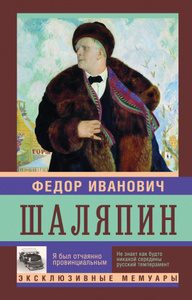
Сын крестьянина Вятской
губернии Ивана Яковлевича Шаляпина (1837—1901),
представителя древнего вятского рода Шаляпиных
(Шелепиных). В детстве Шаляпин был певчим. Получил элементарное образование.
Началом своей артистической карьеры, сам Шаляпин
считал 1889
год, когда он поступил в драматическую
труппу В. Б. Серебрякова. Вначале на должность статиста.
29
марта1890
года состоялось первое сольное выступление
Шаляпина — партия Зарецкого в опере «Евгений
Онегин», в постановке Казанского общества
любителей сценического искусства. Весь май и начало июня 1890 года Шаляпин —
хорист опереточной антрепризы В. Б. Серебрякова.
В
сентябре 1890 года Шаляпин прибывает из Казани в Уфу и начинает работать в хоре опереточной труппы под
руководством С. Я. Семёнова-Самарского.
Совершенно случайно пришлось из хориста преобразиться в солиста, заменив в
опере Монюшко «Галька» заболевшего артиста.
Этот дебют выдвинул 17-летнего Шаляпина, которому
изредка стали поручать небольшие оперные партии, например Фернандо в
«Трубадуре». В следующем году Шаляпин выступил в партии Неизвестного в «Аскольдовой
могиле» Верстовского.
Ему было предложено место в уфимском земстве, но в Уфу
приехала малороссийская труппа Дергача, к которой и примкнул Шаляпин. Странствования с ней привели его в Тифлис, где ему впервые удалось серьёзно позаняться своим
голосом, благодаря певцу Д. А. Усатову. Усатов не только одобрил
голос Шаляпина, но, ввиду отсутствия у последнего материальных средств, стал
бесплатно давать ему уроки пения и вообще принял в нём большое участие. Он же устроил Шаляпина в тифлисскую оперу Форкатти и
Любимова. Шаляпин прожил в Тифлисе целый год, исполняя в опере первые басовые
партии.
В 1893 году он перебрался в Москву, а в 1894 году — в Санкт-Петербург, где пел в «Аркадии» в оперной труппе Лентовского, а зимой 1894/5 г. — в оперном товариществе в Панаевском театре, в труппе Зазулина. Прекрасный голос начинающего
артиста и в особенности выразительная музыкальная декламация в связи с
правдивой игрой обратили на него внимание критики и публики. В 1895 году Шаляпин был принят дирекцией Санкт-Петербургских
Императорских театров в состав оперной труппы: он поступил на сцену Мариинского
театра и пел с успехом партии Мефистофеля («Фауст») и Руслана («Руслан и Людмила»). Разнообразное дарование Шаляпина выразилось и в
комической опере «Тайный брак» Д.
Чимароза, но все же не получило должной оценки.
Сообщают, что в сезон 1895—1896 гг. он «появлялся довольно редко и притом в
мало подходящих для него партиях». Известный меценат С. И. Мамонтов,
державший в то время оперный театр в Москве, первый заметив в Шаляпине
дарование из ряда вон выходящее, уговорил его перейти в свою частную труппу.
Здесь в 1896—1899 гг. Шаляпин развился в художественном смысле и
развернул свой сценический талант, выступив в целом ряде ролей. Благодаря его
тонкому пониманию русской музыки вообще и новейшей в частности, он совершенно
индивидуально, но вместе с тем глубоко правдиво создал целый ряд образов в
русских операх:
Борис Годунов в одноименной опере М. П.
Мусоргского
и во многих других операх.
В то же
время он много работал и над ролями в иностранных операх; так, например, роль
Мефистофеля в «Фаусте» Гуно в его передаче получила поразительно яркое,
сильное и своеобразное освещение. За эти годы Шаляпин приобрёл громкую
известность.
С 1899 года он снова на службе в Императорской русской опере в
Москве (Большой
театр), где пользовался громадным успехом. Он
был высоко оценен в Милане, где выступил в театре «LaScala» в заглавной роли Мефистофеля А. Бойто (1901,
10 представлений). Гастроли Шаляпина в Петербурге на Мариинской сцене
составляли своего рода события в петербургском музыкальном мире.
В
революцию 1905 года примкнул к прогрессивным кругам, жертвовал сборы от своих
выступлений революционерам. Его выступления с народными песнями («Дубинушка» и др.) порой превращались в политические
демонстрации.
С 1914
года выступает в частных оперных антрепризах С. И. Зимина (Москва), А. Р.
Аксарина (Петроград).
С 1918 года —
художественный руководитель Мариинского театра. Получил звание Народного
артиста Республики.
С 1921
(«Энц. словарь», 1955) или 1922 («Театр. энц.», 1967) года — на гастролях за
границей.
Долгое
отсутствие Шаляпина вызывало подозрения и отрицательное отношение в Советской
России; так, в 1926 году Маяковский писал в «Письме к Горькому»: «Или жить
вам, / как живёт Шаляпин, / раздушенными аплодисментами / оляпан? / Вернись /
теперь / такой артист / назад / на русские рублики — / я первый крикну: / —
Обратно катись, / народный артист Республики!» В 1927 году сборы от одного из
концертов Шаляпин пожертвовал детям эмигрантов, что было истолковано и
представлено как поддержка белогвардейцам. В 1928 году постановлением СНК
РСФСР он был лишён звания Народного артиста и права возвращаться в СССР;
обосновывалось это тем, что он не желал «вернуться в Россию и обслужить тот
народ, звание артиста которого было ему присвоено» или, согласно другим
источникам, тем, что он якобы жертвовал деньги эмигрантам-монархистам.
В конце
лета 1932 года исполняет главную роль в кинофильме «Дон-Кихот» австрийского кинорежиссёра Георга Пабста
по одноимённому роману Сервантеса.
Фильм был снят сразу на двух языках - английском и
французском, с двумя составами актеров. Натурные съемки кинофильма проходили
близ г. Ницца.
Весной
1937 года у него обнаружили лейкемию, а 12
апреля1938 он скончался на руках жены. Похоронен на парижском
кладбище Батиньоль.
В 1956
году ЦК КПСС и Верховный Совет РСФСР рассматривали «предложения о
восстановлении Ф. И. Шаляпину посмертно звания Народного артиста Республики»,
но они не были приняты. Постановление 1928 года было
отменено Советом Министров РСФСР лишь 10 июня 1991 года.
29
октября 1984года в Москве на Новодевичьем кладбище
состоялась церемония перезахоронения праха Ф. И. Шаляпина.
31 октября 1986
года состоялось открытие надгробного памятника великому русскому певцу Ф. И.
Шаляпину (скульптор А. Елецкий, архитектор Ю. Воскресенский).
He was the most famous Russianopera singer of the 20th Century. Owing to his powerful and
flexible bass voice, employed in conjunction with a mesmerizing stage
presence and superb acting ability, he is considered one of the greatest
performers in the history of opera. He is often credited with establishing
the tradition of naturalistic acting in his chosen art form.
During the Russian phase of his
career, Chaliapin was confronted with strong competition from two other great
Russian basses, the black-voiced Lev Sibiriakov (1869-1942) and the more
lyrical Vladimir Kastorsky (1871-1948). The fact that Chaliapin is far and
away the best remembered of this distinguished trio is testament to the
magnetic power of his performances on stage.
Feodor Chaliapin was born into a peasant
family on February 1 (OS) 1873 in Kazan, in the wing of merchant Lisitzin's house on Rybnoryadskaya
Street (now Pushkin Street) 10. This wing exists no longer, but the house with the yard
where the wing was situated is still there. The next day, Candlemas Day (The
Meeting of Our Lord), Feodor was baptized in Bogoyavlenskaya church on former
Bolshaya Prolomnaya street (nowadays Bauman Street). His godparents were the neighbours: the shoemaker Nikolay
Tonkov and 12-year-old girl Ludmilochka Kharitonova. The dwelling was
expensive for his father, Ivan Yakovlevich, who served as a clerk in the
Zemskaya Uprava (Land Council), and in 1878 the Chaliapin family moved to the
village Ametyevo (also Ometyevo, or the Ometyev settlements, now a settlement
within Kazan) behind the area of Sukonnaya Sloboda, and settled in a small
house.
Largely self-taught, he began his career at
Tbilisi and the Imperial
Opera, St. Petersburg in 1894; he was then invited to sing at the Mamontov Private Opera
(1896-1899). The Bolshoi Theatre in Moscow then engaged him, where he appeared regularly from 1899 until 1914. During the First World War, Chaliapin alo appeared regularly
at the Zimin Private Opera in
the Russian capital.
From 1901, Chaliapin began appearing
the West, making a sensational debut at La Scala that year as the devil in a production of Boito's Mefistofele,
under the baton of the 20th Century's most dynamic opera conductor, Arturo Toscanini. At
the end of career, Toscanini observed that the Russian bass was the greatest
operatic talent with whom he had ever worked. The singer's Metropolitan Opera debut in the 1907 season was disappointing due to the unprecedented frankness
of his stage acting; but he returned to the Met in 1921 and sang there with immense
success for eight seasons, the taste of New York audiences having grown more
broad-minded in the meantime. In 1913, Chaliapin was introduced to London and Paris by the brilliant entrepreneur Sergei Diaghilev, at which point he began giving well-received solo recitals
in which he sang traditional Russian folk songs as well as more serious fare.
Among these songs are Along Peterskaya, which he recorded with a
British-based Russian folk-instruments' orchestra, and the song which he made
famous throughout the world: The Song of the Volga Boatmen.
In 1926, Chaliapin toured Australia to
acclaim.
In terms of his private life, Chaliapin's
personal arrangements had been disrupted in the wake of the Russian Revolution of 1917. At first, he was treated as a revered artist of the
newly-emerged Soviet Russia.
However, the harsh realities of everyday life under the new regime, and the
unstable psychological climate which became manifest during the ensuing Civil
War, combined with, reportedly, the encroachment on some of his property by
the Communist authorities [1], caused him to remain
perpetually outside Russia after 1921. He still maintained, however, that he was not anti-Soviet.
Chaliapin initially moved to Finland and later lived in France. Cosmopolitan Paris, with its significant Russian emigre population, became his
base, and ultimately, the city of his death. He was renowned for his
larger-than-life carousing during this period - but he never sacrificed his
dedication to his art.
Chaliapin's attachment to Paris did
not prevent him, however, from pursuing an international operatic and concert
career in England, America and further afield. His most famous part was the
title role of Boris Godunov (excerpts of which he recorded 1929-31 and earlier). But he is
remembered also for his impersonations of Ivan the Terrible in Rimsky-Korsakov's Maid of Pskov, Mephistopheles in Gounod's Faust,
Massenet's Don Quichotte, King Philip
in Giuseppe Verdi's Don Carlos and Bertram in Meyerbeer's Robert le Diable.
Owing to his irresistable advocacy, Russian operas such as Mussorgsky's Boris Godunov
and Khovanshchina, Glinka's Ivan Susanin,
Borodin's Prince Igor and Rimsky-Korsakov's The Tsar's
Bride became well known in the West. He made one sound film for the
director G.W. Pabst, namely, the 1933
film version of Don Quixote.
Rather than going out in one version with subtitles, the film was made in
three different versions - French, English, and German, as was sometimes the
prevailing custom. Chaliapin starred in all three versions, each of which
used the same script, sets and costumes, but different supporting casts. The
English and the French versions are the most often seen, and were to be
released in May 2006 on a DVD. Pabst's film was not a version of the Massenet opera but a dramatic adaptation of Cervantes' novel, with music and songs provided by Jacques Ibert.
Chaliapin's last stage performance
took place at the Monte Carlo Opera in 1937, as Boris.
In 1932, Chaliapin published a
memoir, Man and Mask: Forty Years in the Life of a Singer, prepared in
collaboration with Maxim Gorky. He
died the following year of leukaemia, aged 65, in Paris, where he was
interred. In 1984, his remains were transferred from Paris to Moscow with elaborate ceremony. They were re-buried in the Novodevichy Cemetery.
One of his sons, Feodor Chaliapin, Jr
(1905-1992), had a notable career in Western motion pictures as a
character actor. Another son, Boris Chaliapin, was
a well-known artist, having painted the portraits used on 414 covers of the
mass-circulation news magazine TIME
between 1942 and 1970.